
West Bengal: A wonderful confluence of tradition, culture, and modernity
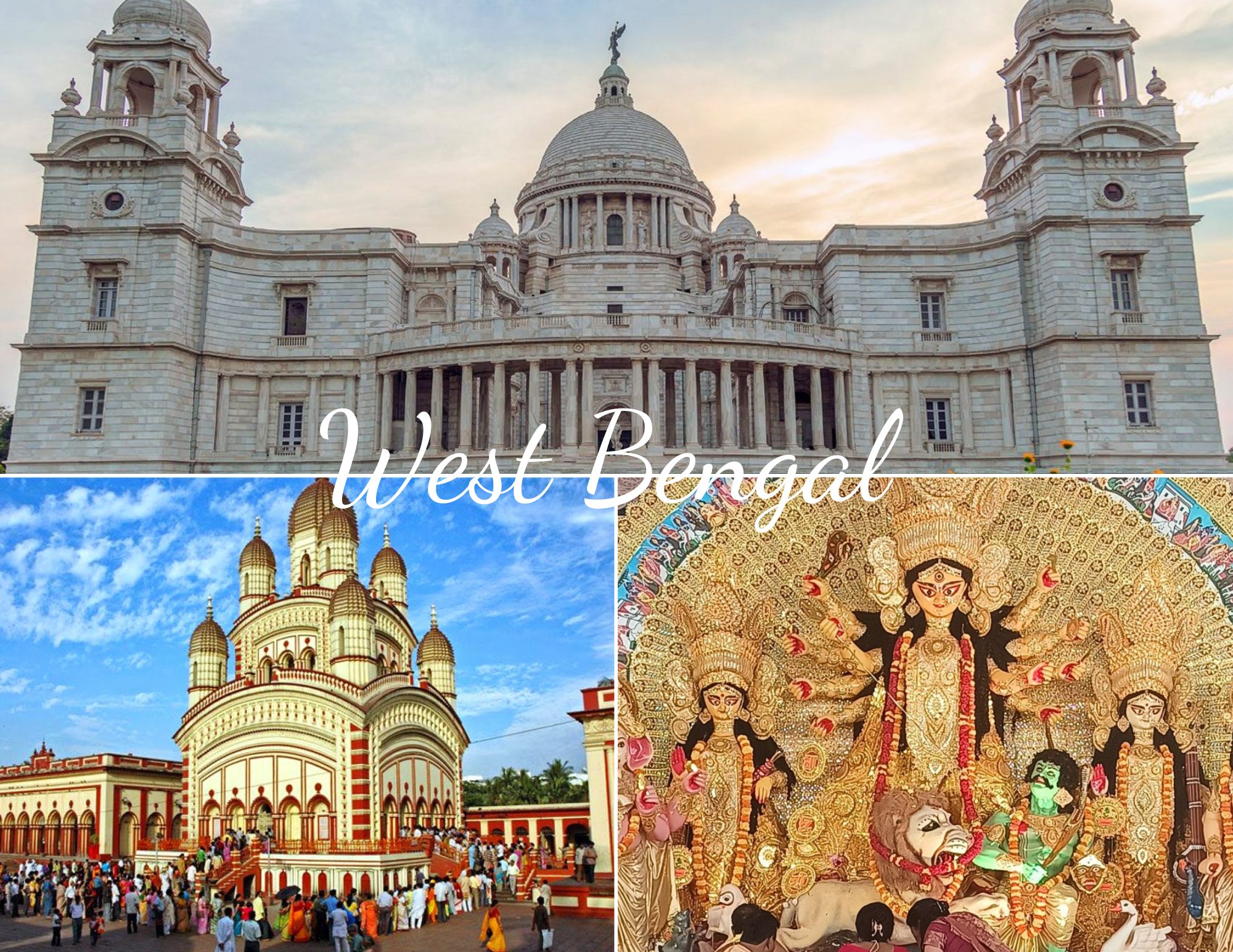
West Bengal – the Indian state where the sweetness of “mishti” (sweets) and the depth of literature are deeply ingrained in its very fabric. From the snow-capped peaks of the Himalayas in the north to the vast expanse of the Bay of Bengal in the south, this state is a living example of diversity.
If you are a connoisseur of art, history, food, and natural beauty, then West Bengal should be at the top of your travel bucket list. Let’s explore, through this article, every corner of West Bengal that makes it unique in the world.
The glorious history of West Bengal
West Bengal has a history spanning centuries. From the Maurya and Gupta dynasties to the Mughal and then British rule, the region has been a center of power and culture.
- Center of Renaissance: During the 19th and 20th centuries, the ‘Bengal Renaissance’ gave India great thinkers like Raja Ram Mohan Roy, Ishwar Chandra Vidyasagar, and Swami Vivekananda.
- Freedom Struggle: Bengal has been a focal point of the Indian independence movement. Revolutionaries from this region, such as Netaji Subhas Chandra Bose and Khudiram Bose, made invaluable contributions to India’s freedom.
Geographical diversity: from mountains to the sea.
West Bengal is the only state in India whose boundaries stretch from the Himalayas to the coast.
The Charm of the North: Darjeeling and the Himalayas
Darjeeling, known as the “Queen of the Hills,” is famous for its tea plantations and the majestic peaks of Kanchenjunga. Its ‘Toy Train’ is a UNESCO World Heritage Site.
The Mystery of the South: Sundarbans
The Sundarbans is the world’s largest mangrove delta and home to the Royal Bengal Tiger. It is one of the most important biodiversity hotspots in the world.
The Coastal Region: Digha and Mandarmani
For sea lovers, the tranquil beaches of Digha and Mandarmani offer a perfect weekend getaway.
Culture and art: the identity of Bengal
Bengal is considered the “cultural capital of India.” Its art and culture are world-renowned.
- Literature: Literary giants like Rabindranath Tagore (the first Nobel laureate from Asia) and Sarat Chandra Chattopadhyay have given Bengali literature global recognition.
- Music: Rabindra Sangeet and the folk music of the Baul tradition are deeply ingrained in the soul of Bengal.
- Handicrafts: The terracotta work of Bankura, the silk sarees of Murshidabad, and the leatherwork of Santiniketan are known for their unique craftsmanship.
Major tourist attractions (Must-Visit Places)
Location
Features
Best time to visit
Kolkata
Victoria Memorial, Howrah Bridge, Kalighat
October to March
Darjeeling
Tea plantations, Tiger Hill, Toy Train
March to June, October to December
Sundarbans
Tiger Conservation Area, Mangrove Forest
November to February
Santiniketan
Visva Bharati University, Center for Arts
December (Poush Mela)
Murshidabad
Hazarduari Palace, the historic city of Nawabs
October to March
Durga Puja: Not just a festival, but an emotion.
West Bengal is incomplete without mentioning Durga Puja. This festival is not just a religious ritual for the people here, but a celebration of social unity. In 2021, UNESCO granted Kolkata’s Durga Puja the status of ‘Intangible Cultural Heritage’. The magnificent pandals adorning the streets and the rhythmic sound of the dhak drums fill the entire state with a unique energy.
A culinary journey: Bengali cuisine
Bengali cuisine is renowned for its diversity and flavors.
- Machher Jhol (Fish Curry): The most important part of a Bengali meal.
- Sweets: A trip to Bengal is incomplete without tasting Rasgulla, Sandesh, and Mishti Doi.
- Street Food: Kolkata’s Kathi Roll, Puchka, and Jhalmuri are famous worldwide.
West Bengal's economy
West Bengal is currently the sixth largest economy in India. According to projections for 2025-26, the state’s GSDP is expected to reach ₹20.31 lakh crore.
- Agriculture: It is the largest producer of rice and jute in India.
- IT and Service Sector: Kolkata’s Salt Lake and New Town areas have emerged as major IT hubs.
- Industry: Steel, coal, and tea are the main industries here.
How to reach West Bengal?
- Air: Kolkata’s Netaji Subhas Chandra Bose International Airport is connected to major cities around the world.
- Rail: Howrah and Sealdah stations are among the busiest railway stations in India.
- Road: A network of national highways connects it to neighboring states and countries (Nepal, Bhutan, Bangladesh).
Some tips for travelers
- Language: Although the main language is Bengali, you can easily communicate using Hindi and English as well.
- Clothing: Pack cotton clothes for the summer and warm woolen clothes for the winter (especially for North Bengal).
- Transportation: Don’t miss the experience of riding a tram and a yellow taxi in Kolkata.
Conclusion
West Bengal is an experience that leaves a lasting impression on your mind. Every city here tells its own story. Whether you want to lose yourself in the tranquility of Santiniketan or enjoy the bustling streets of Kolkata, Bengal will never disappoint you.
So, when are you planning your next trip?
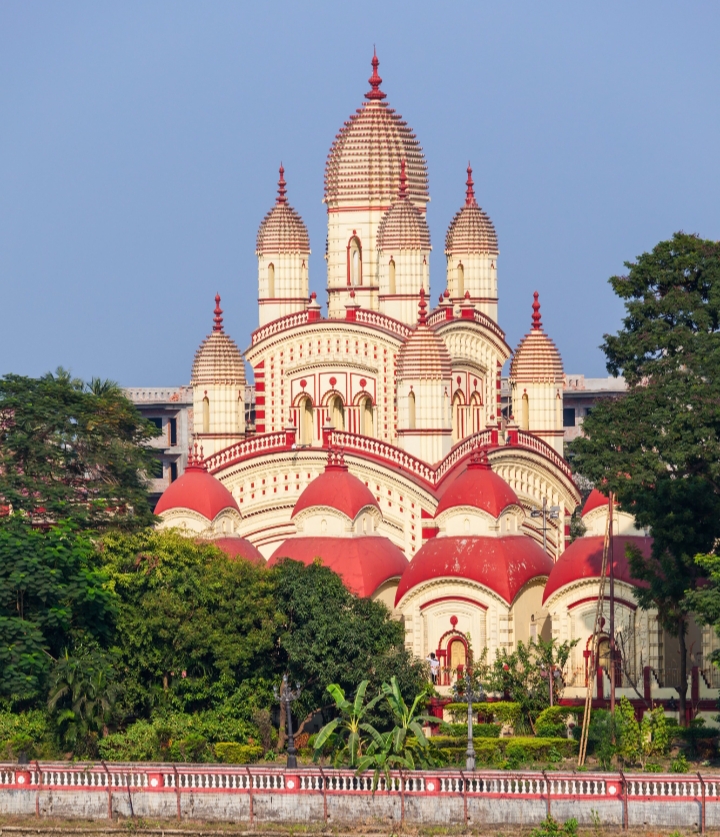
Dakshineswar Kali Temple
Located on the eastern bank of the Hooghly River, the Dakshineswar Kali Temple is not only an iconic landmark of Kolkata but also a center of faith for millions of Hindus.