
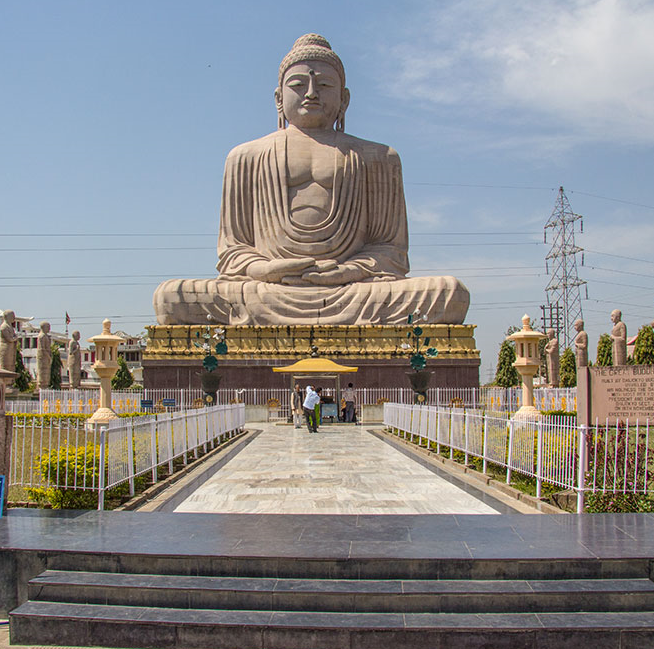
Bihar.
Bihar, the land of monasteries
Bihar is a place steeped in history and spiritual significance. Located in the eastern part of India, this state is known as the land of monasteries. There are many things that make this place worth visiting.
Two of India’s most magnificent dynasties, the Mauryas (321-185 BCE) and the Guptas (320-550 CE), flourished in the ancient region of Bihar, then known as Magadha. The great king Ashoka (born 304 BCE, died 232 BCE) belonged to the Maurya dynasty, whose empire stretched across South Asia. His capital was Pataliputra, located in present-day Patna. The Gupta period is also considered the Golden Age of India and was centered in Magadha with Pataliputra as its capital. Nalanda and Vikramshila were centers of learning established in Bihar in the 5th and 8th centuries respectively, and are considered among the oldest and most international universities, where students from all over the world came to study. It was in Bihar that the world’s first republic, ruled by the Lichchavis (present-day Vaishali), was established.
Spiritual significance
The great spiritual tradition of Buddhism originated and flourished in ancient Bihar, as Buddha attained enlightenment in Bodh Gaya. Therefore, the region is dotted with the remains of monasteries known as stupas. The Jain leader Mahavira also hailed from this region and attained nirvana in Pawapuri. Among Hindu religious sites, Gaya is one of the most prominent pilgrimage destinations in Bihar for offering prayers to ancestors. The Ramayana and Mahabharata, India’s grand epics which remain immensely popular and are central to Hinduism, have numerous stories associated with various places in Bihar. Valmiki, the author of the Ramayana, also belonged to this region.
Bihar has also been a center for the development of Sufism, with several Sufi saints who fostered brotherhood between Hindus and Muslims during the Islamic period. Imam Taj Faqih of Maner, Shihabuddin Pir, and Jagiyot are some of the prominent Islamic saints. The Qadri order, now considered one of the main Sufi orders in the state, had one of its leading representatives in Syed Muhammad of Amjhar Sharif, located in the Aurangabad district of Bihar.
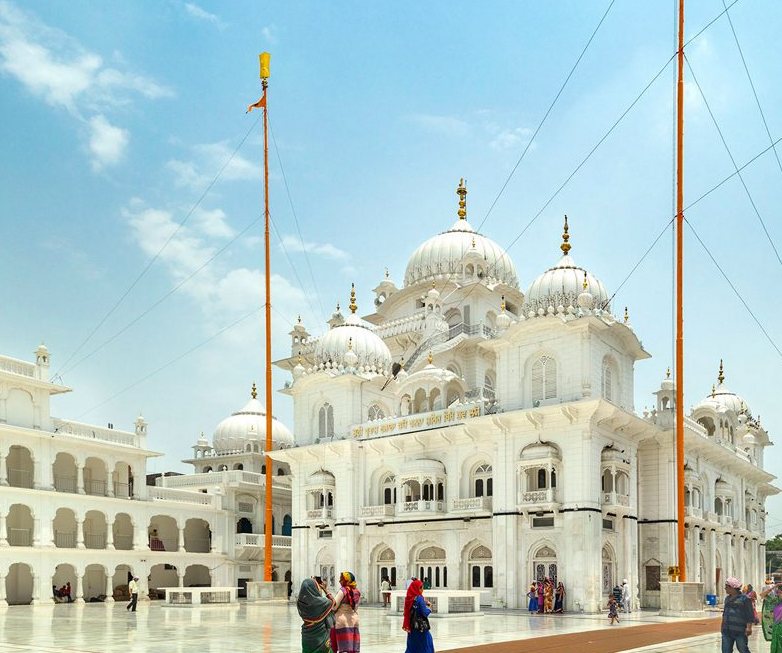
The Sikh leader Sri Guru Gobind Singh Ji Maharaj was born in Patna in 1660. Takht Sri Harmandir Ji Sahib, built by Maharaja Ranjit Singh to commemorate his birthplace, is considered one of the five ‘Akal Takhts’ by Sikhs.
Religious options include undertaking pilgrimages based on the Buddhist Circuit, Jain Circuit, Ramayana Circuit, Sufi Circuit, Hindu Circuit, Sikh Circuit, etc., or simply enjoying the beauty of the archaeological remains and the stunning natural surroundings of this land.
During the 12th century, Bihar faced aggressive attacks from the Afghan ruler Bakhtiyar Khilji, and all the magnificent historical sites were plundered by him. Later, during the reign of Sher Shah Suri, the Grand Trunk Road was constructed.
Language and Culture
Hindi is the official language of Bihar, and Urdu is the second official language. Maithili is the only Bihari language included in the Eighth Schedule of the Indian Constitution. Bhojpuri, Magahi, Angika, and Bajjika are among the other major languages and dialects spoken in Bihar. Major festivals include Chhath, Holi, Diwali, Dussehra, Mahashivratri, Nag Panchami, Shri Panchami, Muharram, Eid, and Christmas. Due to being the birthplace of Guru Gobind Singh Ji, the tenth guru of the Sikhs, his birth anniversary is also celebrated with great reverence in Patna City (Patna). Bihar was the first state to adopt Hindi as its official language.
Scenic Spots :
Trimohini Sangam
The road from NH-31 in Katariya village, Kursela block, Katihar district, Bihar, leads to the Trimohini confluence. Here, one can witness a breathtaking natural spectacle. It is the confluence of three rivers, primarily the Ganges and the Kosi. The Ganges River flows from south to north. A small stream of the Kalbalia River joins this northward-flowing Ganges at the confluence. Trimohini Sangam is one of the twelve locations where Mahatma Gandhi’s ashes were immersed on February 12, 1948.
Tourist places in Patna
Patna is the current capital of the Bihar state and a place of great historical significance. In the past, it was a center of power, religion, and learning. The following are some of the important historical sites in Patna:
- Ancient and medieval structures: Kumhrar complex, Agamkuan, Mahendru Ghat, and the remains of the fort built by Sher Shah.
- British-era buildings: Jalan Museum, Golghar, Patna Museum, Legislative Assembly building, High Court building, Sadakat Ashram
- Religious sites: Mahavir Temple, Badi Patan Devi Temple, Chhoti Patan Devi Temple, Sheetla Mata Temple, ISKCON Temple, Harmandir Sahib (Patna), Mahabodhi Temple (Gaya), NIT Ghat
- Centers of knowledge and science: Patna Planetarium, Patna University, Sachchidanand Sinha Library, Sanjay Gandhi Biological Park, Shri Krishna Sinha Science Centre, Khuda Bakhsh Library and Science Complex
The birthplace of Mother Sita (Sitamarhi), the poet Vidyapati and Ugna Mahadev Temple (Madhubani), the South Indian architectural style Vishnu Temple (Supaul), Singheshwarnath Temple (Madhepura), Kali Temple Ramnagar Mahesh (Kumarkhand, Madhepura), the tallest Kali Temple (Araria), Narasimha Avatar site (Purnia), Surya Temple, Nawalakha Temple, Thawe (Gopalganj), Maa Durga Mata Temple, Nechua Jalalpur Rambriksh Dham, Durga Temple, Amanour Vaishno Dham, Ami Ambika Durga Temple, Maa Durga Temple in Chhapra, Sita’s birthplace, Padri Ki Haveli, Sher Shah’s Mosque, Begum Hajjam’s Mosque, Pathar Ki Masjid, Jama Masjid, Badi Khanqah in Phulwari Sharif, Maner Sharif – the dargah of Sufi saint Hazrat Yahya Khan Maneri, the tomb of India’s first female Sufi saint Hazrat Bibi Kamal (Jehanabad)
Rajgir and surrounding areas
Rajgir was the first capital of the Magadha Empire and is a major pilgrimage site for Hinduism, Jainism, and Buddhism. Several places associated with Lord Buddha and Vardhamana Mahavira are considered highly sacred. Important tourist attractions in Rajgir include the Venuvana (Bamboo Grove), Saptaparni Cave, Griddhakuta Hill, Jarasandha’s wrestling arena, hot springs, and Makhdoom Kund.
Nalanda and surrounding areas
The ruins of Nalanda University, the site of Lord Mahavira’s Mahaparinirvana and the Jal Mandir in Pawapuri, the remains of a medieval fort and the shrines of 14th-century Sufi saints (Badi Dargah and Chhoti Dargah) in Bihar Sharif, and the Kakolat waterfall near Nawada. Nalanda, once the most popular Mahavihara of ancient times, a significant Buddhist center of academic excellence, and a humble pilgrimage site imbued with a spirit of spirituality, remains an equally vibrant place today. It offers a rich tapestry of spirituality, history, culture, architecture, and tourism.
Gaya and Bodh Gaya surrounding areas
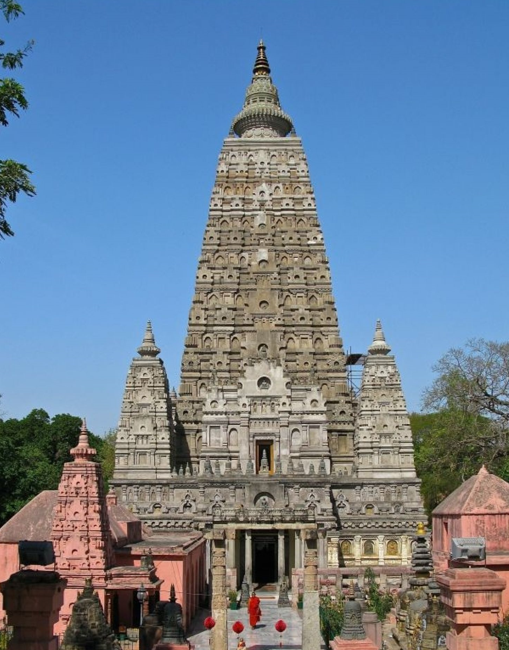
Besides Hinduism, this is the most important philosophical site for followers of Buddhism. During Pitru Paksha, Hindus from all over the world come here to perform rituals for their ancestors on the banks of the Falgu River. It is famous for the Vishnupad Temple, the Bodhi tree associated with Lord Buddha in Bodh Gaya, the Mahabodhi Temple, as well as the Tibetan Temple, Thai Temple, Japanese Temple, Burmese Temple, and the Baudhani Hill (Imamganj). The Mahabodhi Temple is particularly renowned, as it is believed that Gautam Buddha attained enlightenment under the Bodhi tree here. This place is considered one of the major tourist destinations in Bihar. :: Madhubani: An ancient city in Bihar, Madhubani is known for its rich art and culture, which the district strives to preserve. Mentioned in the Ramayana, this city is famous for the world-renowned Madhubani paintings, which originated here.
Bhagalpur and surrounding areas
Besides being an ancient center of learning, it is also a hub for the Tussar silk industry in Bihar. The region boasts the ruins of the ancient and world-renowned Vikramshila University, built by the Pala rulers, the Vaidyanathdham temple, Mir Qasim’s fort in Sultanganj, Munger, and Mandar Hill in Bausi, Banka, a major religious site and a confluence of three religions. According to the Vishnu Purana, the churning of the ocean (Samudra Manthan) took place here, and this very mountain, whose ancient name was Mandrachal (present-day Mandar), was used as the churning rod.
Champaran and surrounding areas
The pillar erected by Emperor Ashoka in Lauriya, Lauriya’s Nandan Garh, Chanaki Garh in Narkatiaganj, Valmikinagar forest, the Bhitiharwa Ashram established by Mahatma Gandhi, the Ramgarhwa High School built by Tarkeshwar Nath Tiwari, the land where Mahatma Gandhi and other freedom fighters worked during the independence movement, and the temple of Lord Shiva in Areraj, along with the world’s largest Buddhist stupa in Kesariya, make East Champaran an ideal tourist destination.
Non-violence freedom movement
During British rule, Mahatma Gandhi launched his Satyagraha movement from the Champaran region against the oppression of indigo farmers by the British. In 2000, Bihar was divided into two states, Jharkhand and Bihar.
The current state of the economy and development
Bihar is one of the fastest-growing states in India. This economic resurgence is a direct result of improved governance, which has focused on investing in infrastructure, better healthcare facilities, and education. As a result, Bihar has become a promising opportunity for global business and economic leaders seeking investment opportunities.
In summary, Bihar is a state known for its deep historical roots, rich cultural heritage, and religious significance.
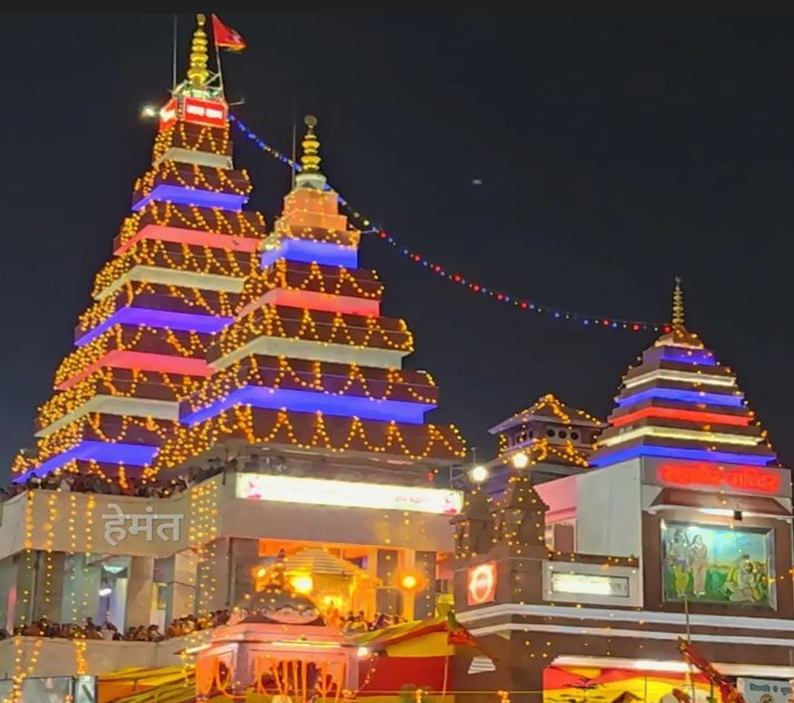
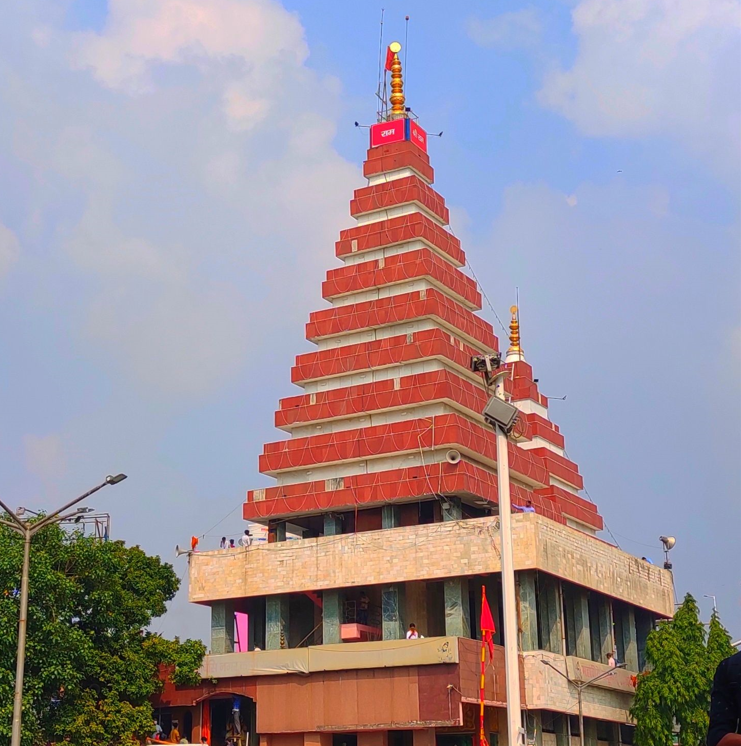
Mahavir Temple, Patna
Mahavir Mandir, located in Patna, Bihar, India, is one of the holiest Hindu temples dedicated to Lord Hanuman. It is one of the finest and oldest Hanuman temples in the country.
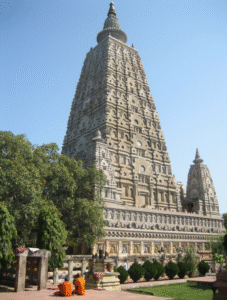
Mahabodhi Temple, Gaya
.The Mahabodhi Temple is a famous Buddhist monastery located in Bodh Gaya. UNESCO has declared it a World Heritage Site.
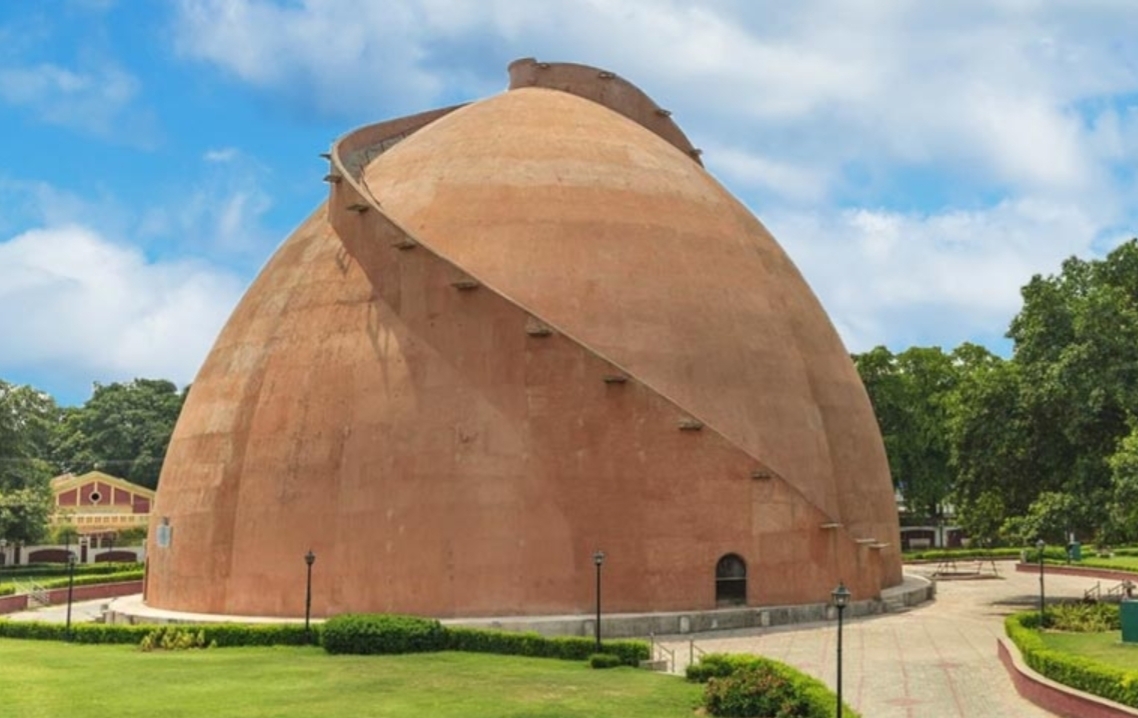
My experience visiting Golghar Patna
Located in the heart of Patna city, Golghar has always been an attraction for both tourists and locals.
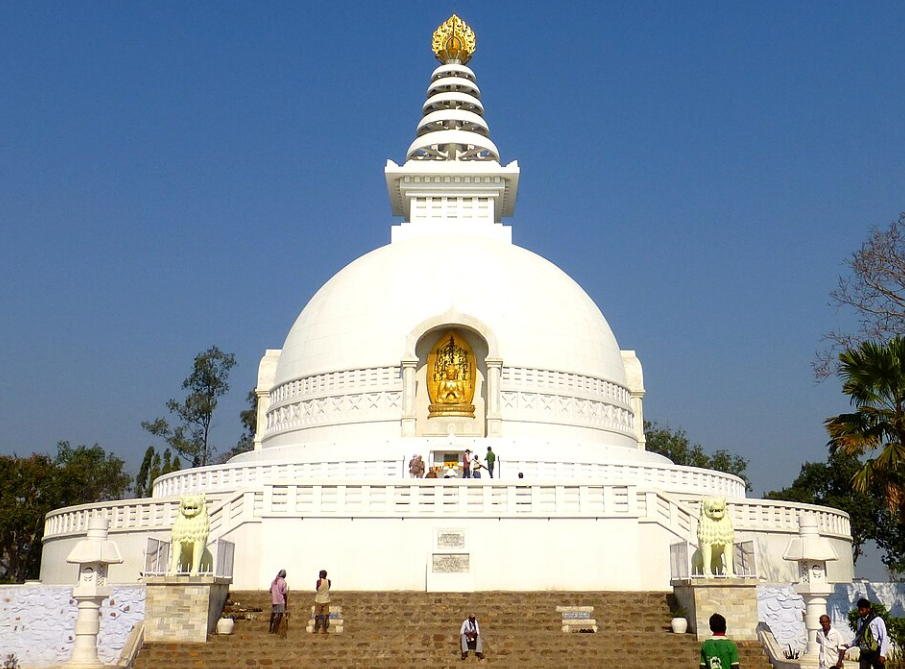
Rajgir: A historical and spiritual tourist destination in Bihar
Rajgir is an ancient and historical city in the state of Bihar. This place is considered extremely important for Buddhism, Jainism, and Hinduism.
Bihar, located in the northeastern part of India, is a historically and culturally rich state with its capital in Patna. It was the center of the ancient Magadha Empire, where great dynasties like the Mauryas and Guptas ruled. It is a land of knowledge, where Gautama Buddha attained enlightenment, and its name is derived from the Buddhist monasteries (viharas) that were prevalent there.