
Introduction: Located in the eastern part of India, Jharkhand, known as the “Land of Forests,” is renowned for its unique identity. Formed on November 15, 2000, by separating from Bihar, this state, the 28th in India, is today a hub of mineral resources, dense forests, magnificent waterfalls, and deep-rooted religious beliefs. Whether you are a nature lover, a history enthusiast, or interested in industrial development, Jharkhand has something special to offer everyone.
In this comprehensive article, we will delve into every aspect of Jharkhand’s history, geography, culture, tourism, and economy.
Glorious History of Jharkhand
The history of Jharkhand is as old as Indian civilization itself. In ancient times, it was known as the ‘Pundra’ or ‘Kikat’ region.
Ancient and Medieval Periods
Tribal Rule: For centuries, the region was ruled by tribes such as the Munda, Santhal, Oraon, and Ho. They had their own self-governing systems, known as the ‘Padha Panchayat’ or ‘Manjhi Pargana’ system.
Mughal Period: During the Mughal period, it was known as the ‘Khukhra’ region. The area remained under Mughal rule until the time of Aurangzeb, but due to its geographical location, external influence was always limited.
British Rule and the Freedom Struggle
The soil of Jharkhand has given birth to many brave revolutionaries who challenged the British.
Tilka Manjhi (1785): The first tribal leader to revolt against the British.
Santhal Rebellion (1855): A major movement against British exploitation led by Sidhu and Kanhu Murmu.
Bhagwan Birsa Munda (1895-1900): The initiator of the ‘Ulgulan’ (rebellion), who is still worshipped as a god in Jharkhand. The state of Jharkhand was established on his birth anniversary, November 15th.
Geographical location and climate
Jharkhand is primarily located on the Chota Nagpur Plateau. It shares borders with Bihar to the north, Uttar Pradesh and Chhattisgarh to the west, Odisha to the south, and West Bengal to the east.
- Key Geographical Facts:
Area: Approximately 79,714 square kilometers. - Forest Cover: Approximately 29.7% of the state is covered by forests.
- Major Rivers: Damodar (the longest river in Jharkhand), Subarnarekha, Koel, Shankh, and Barakar.
- Climate: The climate is tropical monsoon. Winters are very pleasant, while summers can be extremely hot, with temperatures exceeding 40°C in industrial areas like Jamshedpur and Dhanbad.
Jharkhand's rich culture and traditions
The culture of Jharkhand is rooted in its tribal communities. Its folk arts, music, and dances are deeply connected to nature.
Major Festivals:
Sarhul: This is a festival of flowers celebrated in the spring season. The ‘Sal’ tree is worshipped during this festival.
Karma: A festival symbolizing the love between brothers and sisters and the worship of nature.
Sohrai: This is a festival dedicated to the worship of livestock, featuring beautiful paintings (Sohrai paintings) on the walls of houses.
Chhath Puja: Like in Bihar, this festival of sun worship is celebrated with great fervor in Jharkhand.
Folk Dances and Music:
Chhau Dance: This is a world-renowned mask dance, and the ‘Saraikela style’ originated in Jharkhand.
Paika: This is a vigorous martial arts dance.
Jhumar and Damkach: Traditional folk music sung during weddings and other joyous occasions.
Major tourist destinations in Jharkhand
Hundru Falls
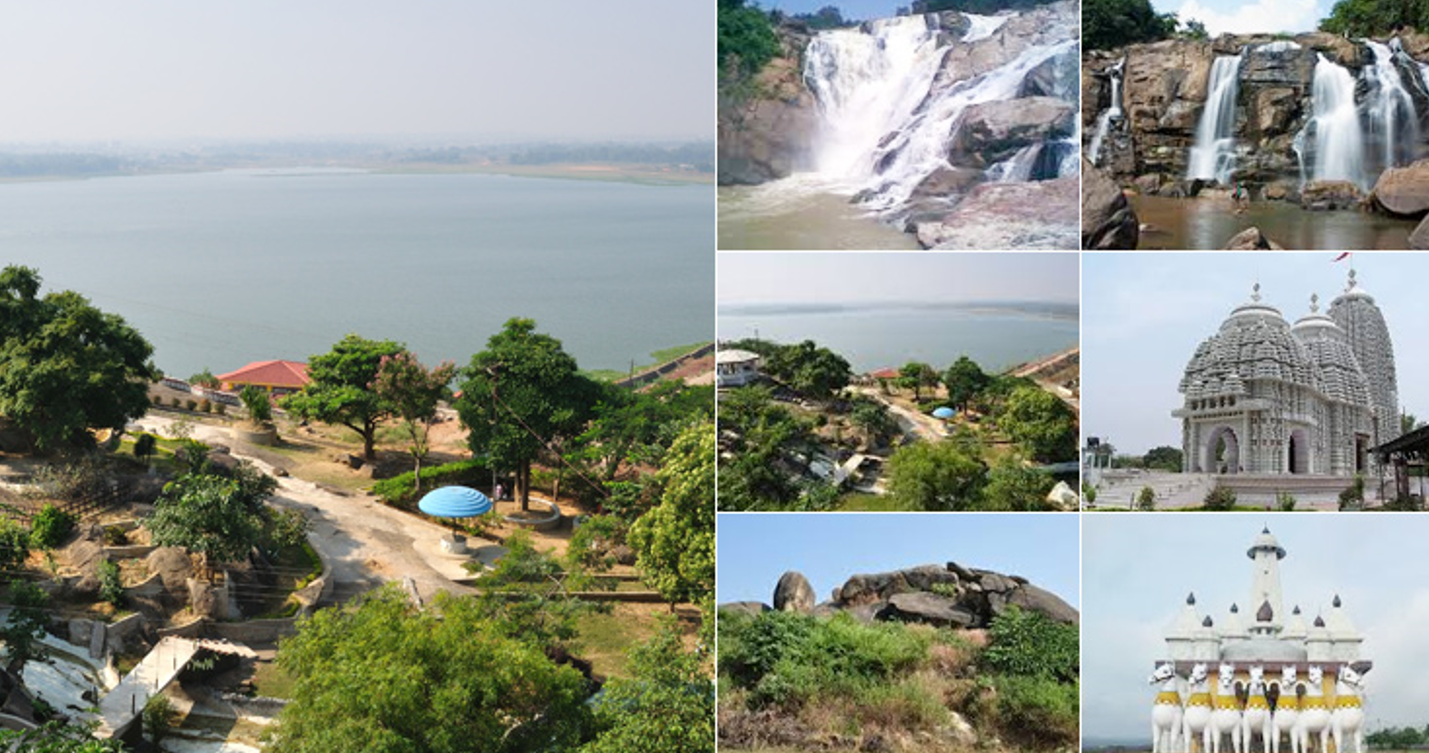
Hundru Falls is the highest waterfall in Jharkhand and is extremely popular among tourists.
Baidyanath Dham
Baidyanath Dham, located in Deoghar, is one of the twelve Jyotirlingas and a highly sacred site for Hindus.
Dasam Falls
Located on the Kanchi River, this waterfall is near Ranchi and is the most popular waterfall in Jharkhand for photography.
Rajrappa
The Damodar and Bhairavi rivers meet here. Due to the Chhinnamasta Temple, this is a famous religious site in Jharkhand.
Netarhat
Netarhat is known as the “Queen of Jharkhand.” The sunrise and sunset views from here are absolutely breathtaking.
Betla National Park
Bettla National Park is a wonderful place for wildlife lovers.
Education and development in Jharkhand
In recent years, Jharkhand has also made significant progress in the field of education. Institutions like IIT (ISM) Dhanbad, IIM Ranchi, XLRI Jamshedpur (India’s oldest business school), and NIT Jamshedpur give the state national recognition.
Jharkhand's Economy
Jharkhand is one of India’s most mineral-rich states. Coal, iron ore, bauxite, copper, and mica are found in abundance here. For this reason, Jharkhand is often referred to as India’s “mineral hub.” The state is home to several large industries, steel plants, and thermal power projects, which contribute significantly to the country’s economy.
The Best Time to Visit
The best time to visit Jharkhand is considered to be from October to March. During this period, the weather is cool and pleasant, making it comfortable to visit tourist attractions.
Conclusion
Jharkhand is a wonderful blend of natural beauty, spiritual faith, tribal culture, and mineral wealth. This state is ideal for those who want to escape the hustle and bustle and experience peace, nature, and cultural diversity. Jharkhand not only plays a significant role in India’s development but also leaves a lasting impression on every visitor due to its unique identity.

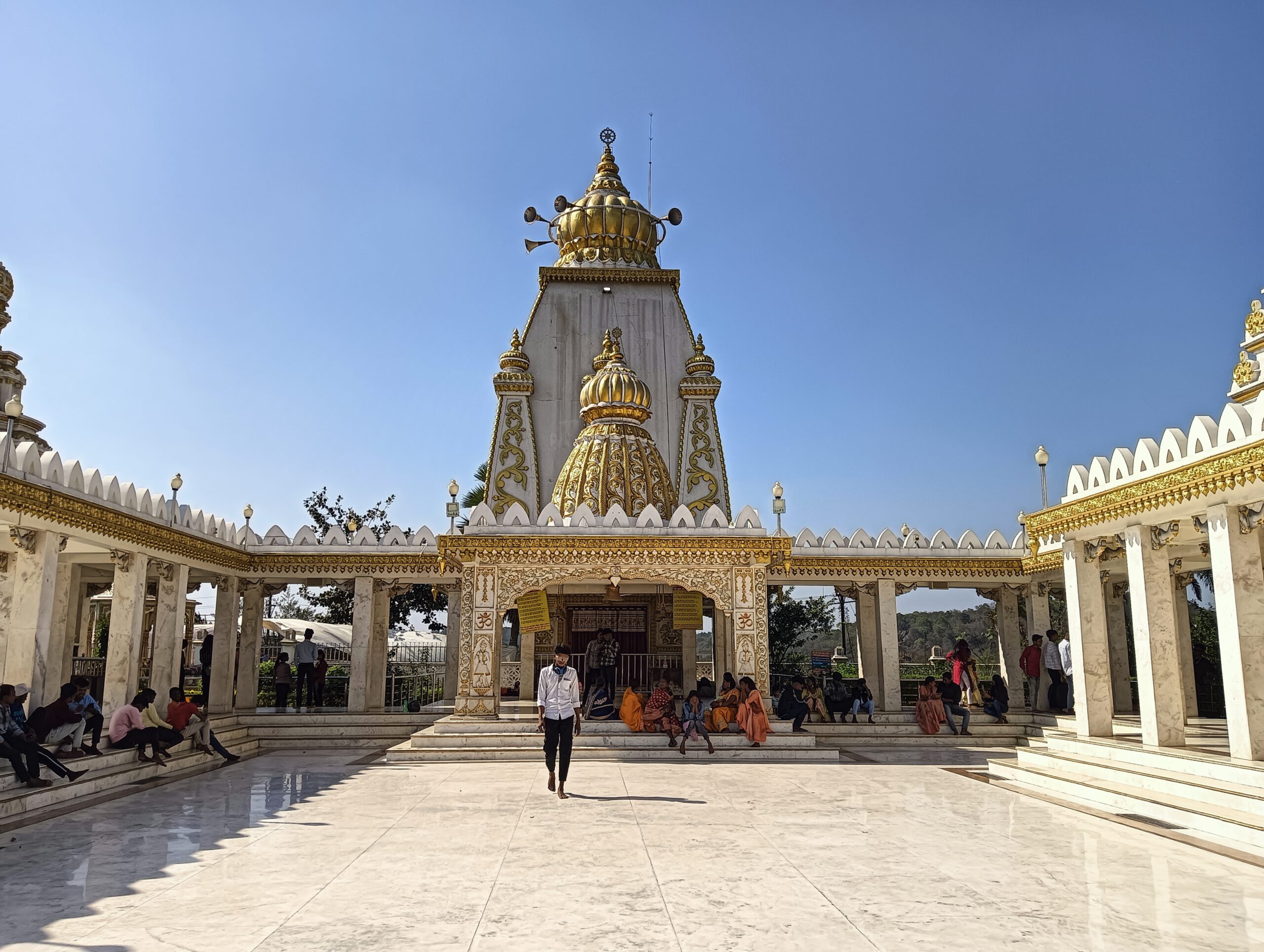
Shri Ramraj Temple, Chitahidham
Ramraj Temple, Chitahi Dham is a famous temple located in Dhanbad, Jharkhand. This temple is dedicated to Lord Rama and is also known as "Mini Ayodhya".
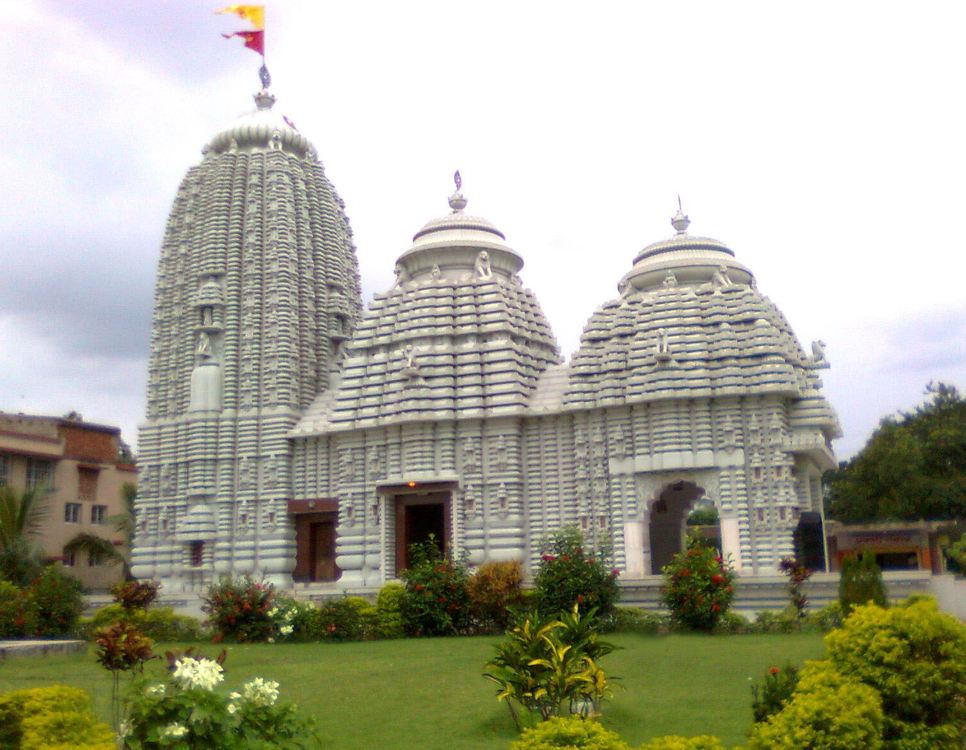
The Jagannath Temple, Bokaro Steel City
The Jagannath Temple in Bokaro Steel City, Jharkhand is a popular tourist spot, which closely resembles the Jagannath Temple in Puri, Odisha.
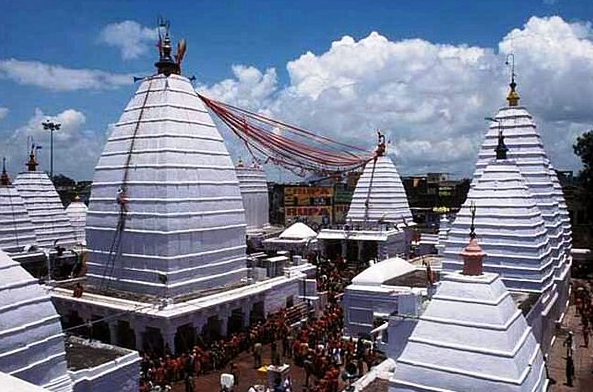
Baba Baidyanath Temple, Deoghar
A complete travel guide to Baba Baidyanath Dham (Deoghar). Learn about the history, significance, Shravani Mela, and the best way to reach this sacred shrine, one of the twelve Jyotirlingas. Read this blog now to make your spiritual journey a success.
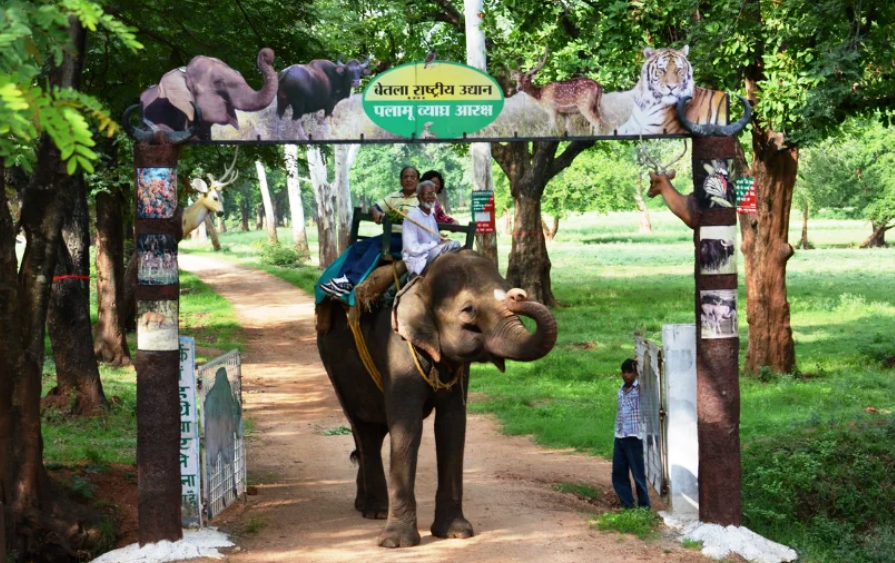
Betla National Park
Betla National Park, located in the state of Jharkhand, India, is a wonderful destination for nature lovers and tourists interested in wildlife. This park is part of the Betla National Park in the Palamu district and is surrounded by lush greenery, hills, and dense forests.

Bokaro Steel Plant
Steel has played a pivotal role in India's development journey. When we look at India's industrial landscape, the Bokaro Steel Plant (BSL), located in the Bokaro district of Jharkhand, shines like a bright star.
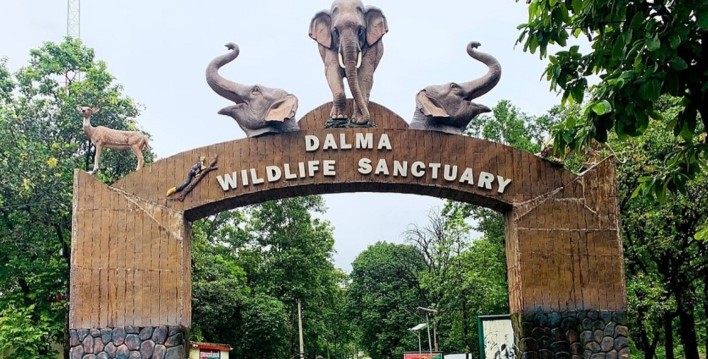
Dalma Wildlife Sanctuary.
Jharkhand, known as the "land of forests," holds countless natural wonders within its embrace. One of these wonders is the Dalma Wildlife Sanctuary.